
Stories
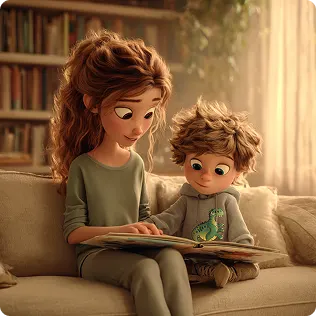
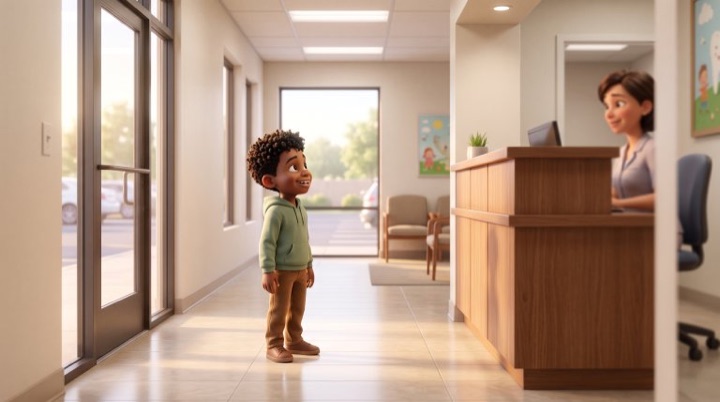
A picture story about a moment in your child's life: a new baby, the dentist, a big feeling. Read it together before the moment comes, or after it.
Read it, watch it, or print it

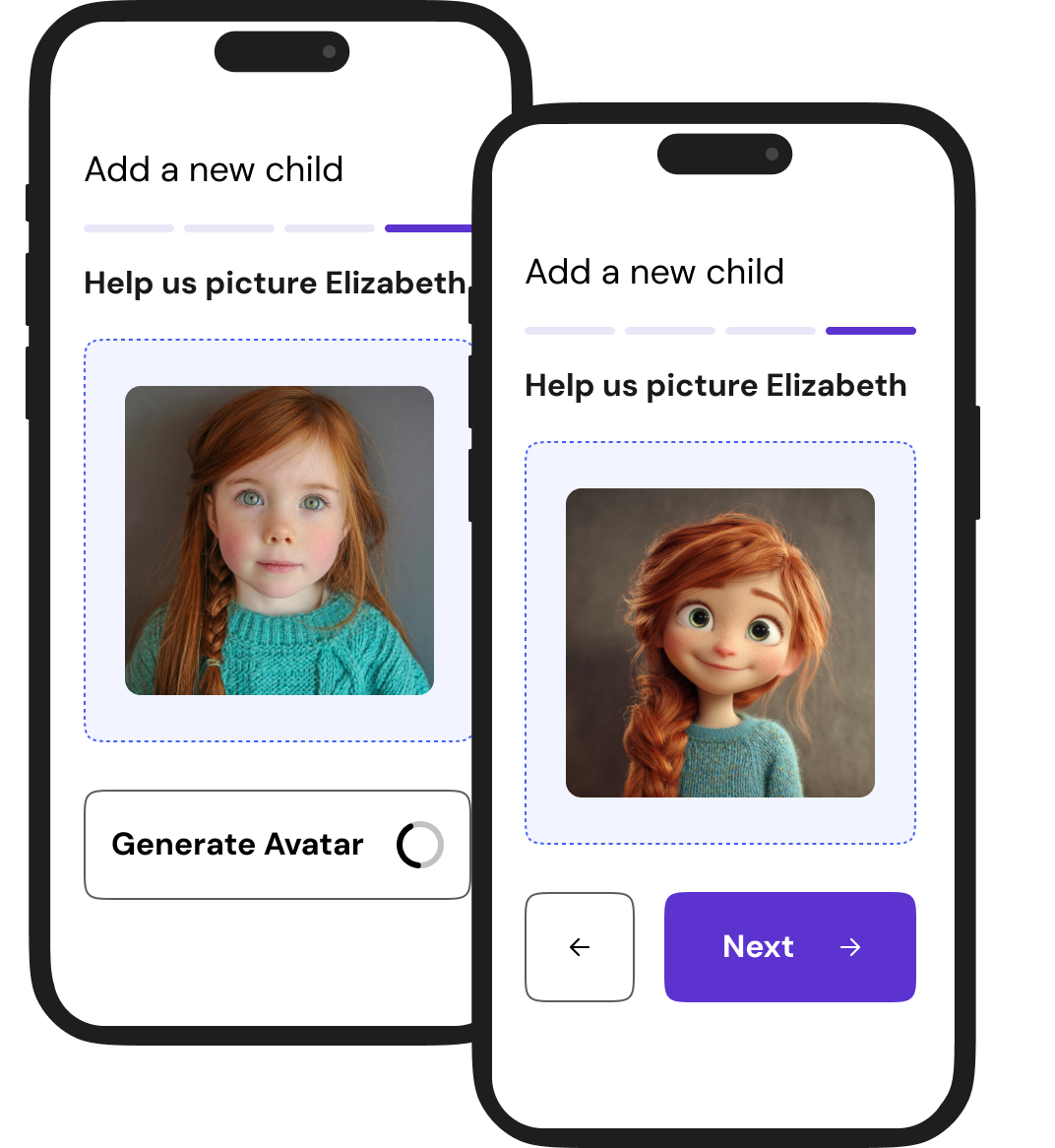
Add a photo, describe them in a few words, or pick a ready-made character. Just once. Our AI builds a permanent character that looks like your child, ready for every future story.
Preparing for a big event or handling a recurring challenge? Choose from our templates or simply describe the situation yourself.
Generate a fully illustrated story starring your child in a few minutes. Read it together to help them understand and prepare.
 Create your first story
New: routines, Choose-Along and plans
Each one stars your child, drawn from a photo, a few words or a ready-made character. Pick the one that fits the moment.
A picture story about a moment in your child's life: a new baby, the dentist, a big feeling. Read it together before the moment comes, or after it.
Read it, watch it, or print it
 New
New
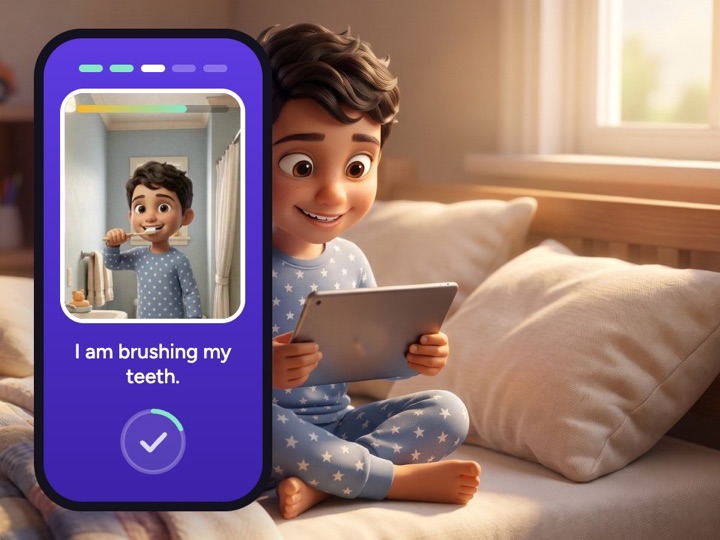
A game your child plays on their own, every day. A picture and a timer for each step, a tap when it's done, and a prize at the end.
6 ready-made, or make your own
 New
New
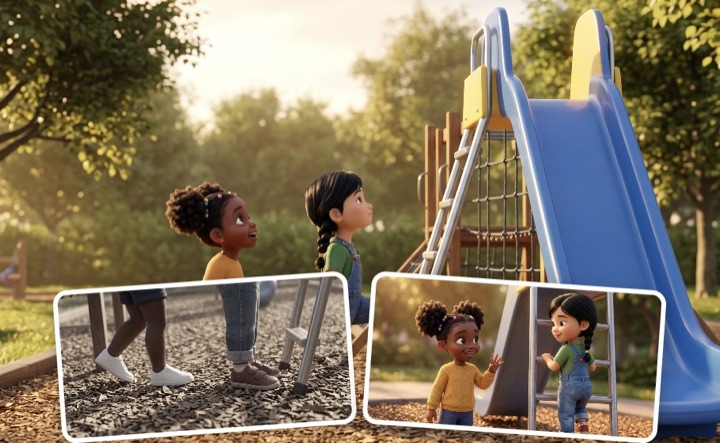
Your child makes the choices. At the key moment they pick what to do, see how the other child feels, and find the good way.
8 ready-made, for ages 4 to 7
 New
New
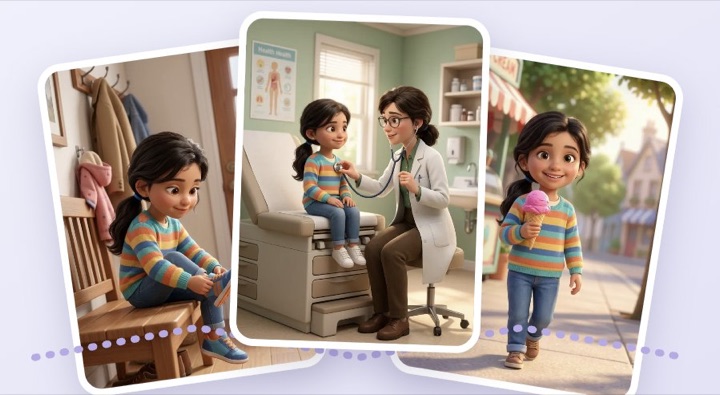
One special day, in order, with your child in every step. A story gets them ready for the moment. A plan shows them how the day goes.
On screen, or printed
Your first story is free. Your first routine, Choose-Along and plan are free too.
Try one free
Each story shows your child what will happen in a moment that is new or hard, step by step and from their point of view, with one gentle idea of what they can do. Your child is the main character, the story is narrated and animated, and you read and approve every page before it is finished.
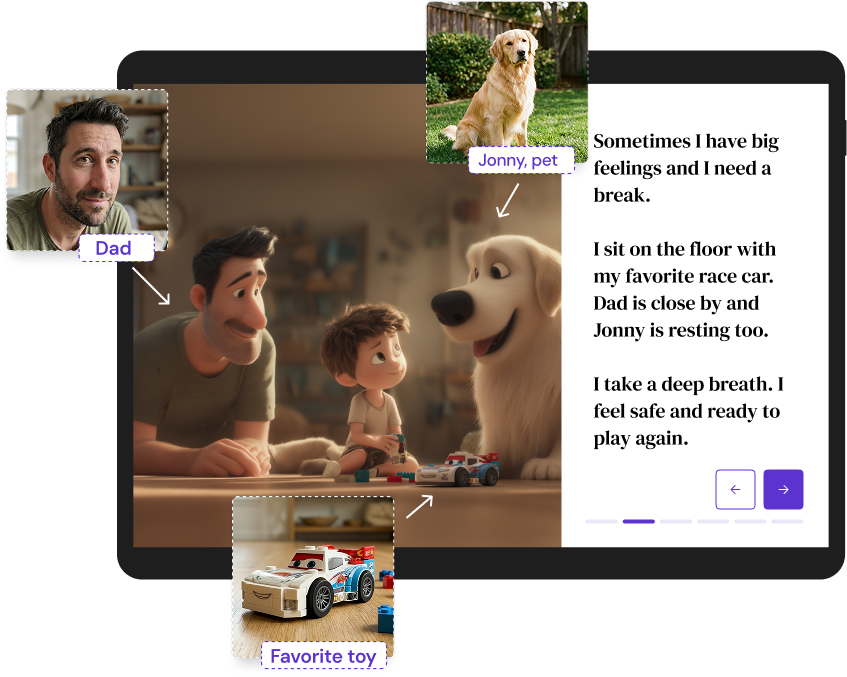
Add the people and things they love most: family, a teacher, a friend, pets and favorite toys. Use a photo or a few words, and watch them become part of the story.
Create your first story

Instant Connection
By placing your child at the center of the narrative, they stop being passive listeners and become active participants. This invites a kind of focus that generic characters simply cannot match.

Safe Mental Rehearsal
Seeing themselves navigate a challenge successfully acts as a "mental rehearsal." It gives them a familiar picture to hold on to when the real-life moment arrives.

Emotional Validation
It sends a powerful message that their specific feelings matter. Seeing their reality reflected on screen shows your child they are seen, understood, and supported in their growth.
Why visual storytelling works when talking isn't enough.
Add the people and things they love most: family, a teacher, a friend, pets and favorite toys. Use a photo or a few words, and watch them become part of the story.
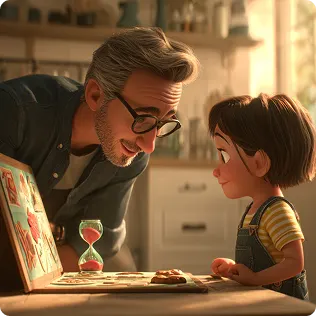
Concepts like "patience," "bravery," or "time" can feel invisible and confusing to a child. A visual story turns these abstract words into clear, observable actions. instead of just hearing instructions, your child sees exactly what is expected, removing the guesswork and frustration.
In the heat of a meltdown, verbal reasoning often gets lost. A story provides a calm, neutral reference point you can both point to. It shifts the dynamic from "Parent vs. Child" to "Us vs. The Challenge," giving you a common vocabulary to navigate big feelings together.